
- Home
- »
- Research
- »
- Centers and Programs
- »
- Market Transformation Research Program
- »
- MTRP People
MTRP People
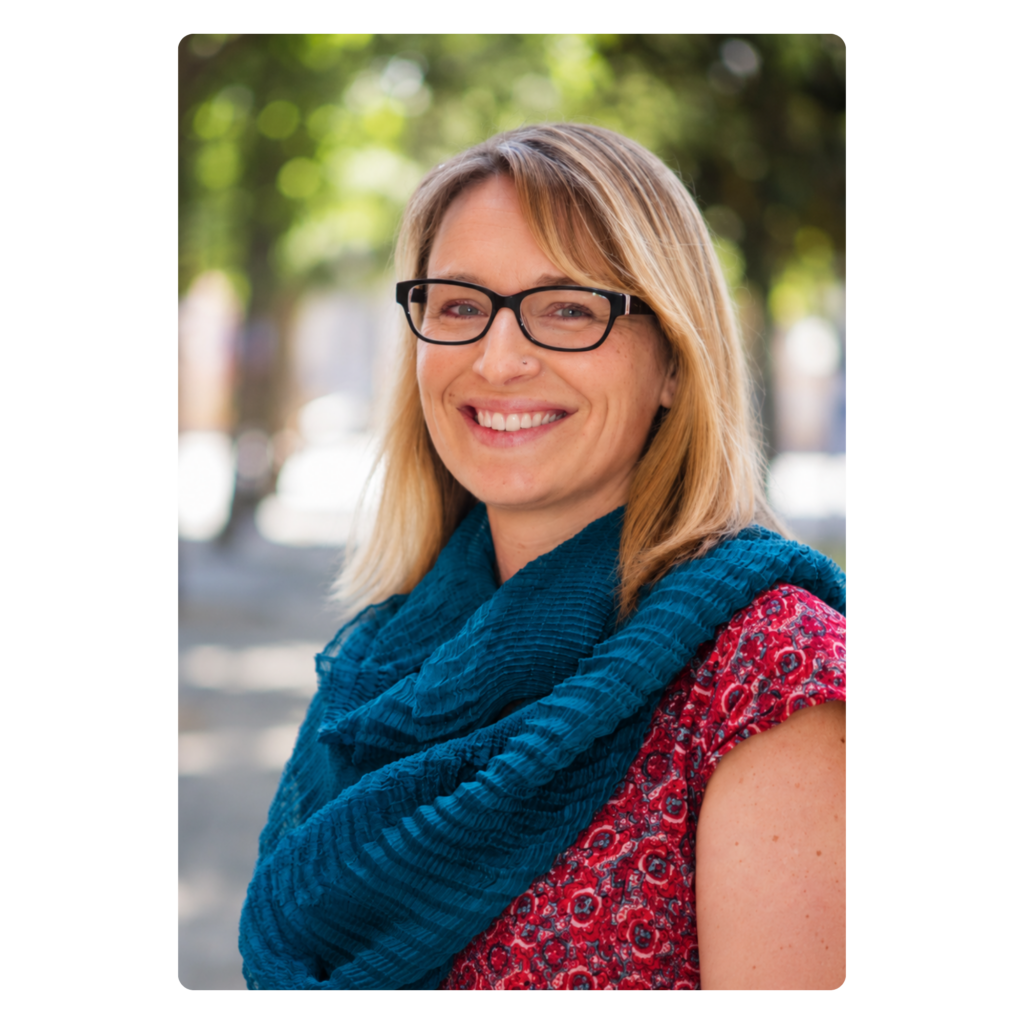
Sarah Outcault, Ph.D. – Director
Sarah Outcault is the Director of the Market Transformation Research Program. Dr. Outcault designs and implements studies and experiments to explore the drivers of technology adoption, use and maintenance, as well as opportunities for market intervention. She works in a wide range of contexts – e.g, disadvantaged communities, commercial dairies, schools, sustainable communities – in California and abroad, to understand the needs and constraints of stakeholders and ensure that solutions are designed to address them.
Prior to joining UC Davis, Dr. Outcault worked as an Assistant Policy Analyst at the RAND Corporation, where she also conducted her doctoral research on financial decision-making through the lens of behavioral economics and policy analysis. Previously, she worked as a consultant at Econ One Research, advising on infrastructure policy for governments, NGOs, and the private sector in Africa, Latin America, Europe and Asia. Dr. Outcault has a Ph.D. in Policy Analysis from the Pardee RAND Graduate School, an M.Sc. in Economic History from the London School of Economics.
Research Gate: https://www.researchgate.net/profile/Sarah-Outcault
LinkedIn: https://www.linkedin.com/in/sarah-outcault-62185168/
Email: smoutcault@ucdavis.edu

Angela Sanguinetti, Ph.D. – Faculty Researcher
Angela Sanguinetti is a Faculty Researcher with an emphasis in Environmental Psychology. Dr. Sanguinetti directs the Consumer Energy Interfaces Lab (cEnergi.ucdavis.edu), which focuses on the topic of eco-feedback–interfaces that provide information about natural resource use (e.g., energy feedback) to consumers with the aim of promoting more resource-responsible behavior. Her research interests center on how the design of the built environment, including our neighborhoods, homes, and vehicles, impacts our behavior and well-being. Outside of UC Davis, she is also Director of the Cohousing Research Network, which seeks to increase the rigor and reach of research on collaborative neighborhoods.
Dr. Sanguinetti has an M.S. in Psychology with an emphasis in Behavior Analysis from CSU Stanislaus, and a Ph.D. in Planning, Policy and Design with an emphasis in Design-Behavior Research from UC Irvine’s School of Social Ecology in 2013.
Research Gate: http://www.researchgate.net/profile/Angela-Sanguinetti
Email: asanguinetti@ucdavis.edu
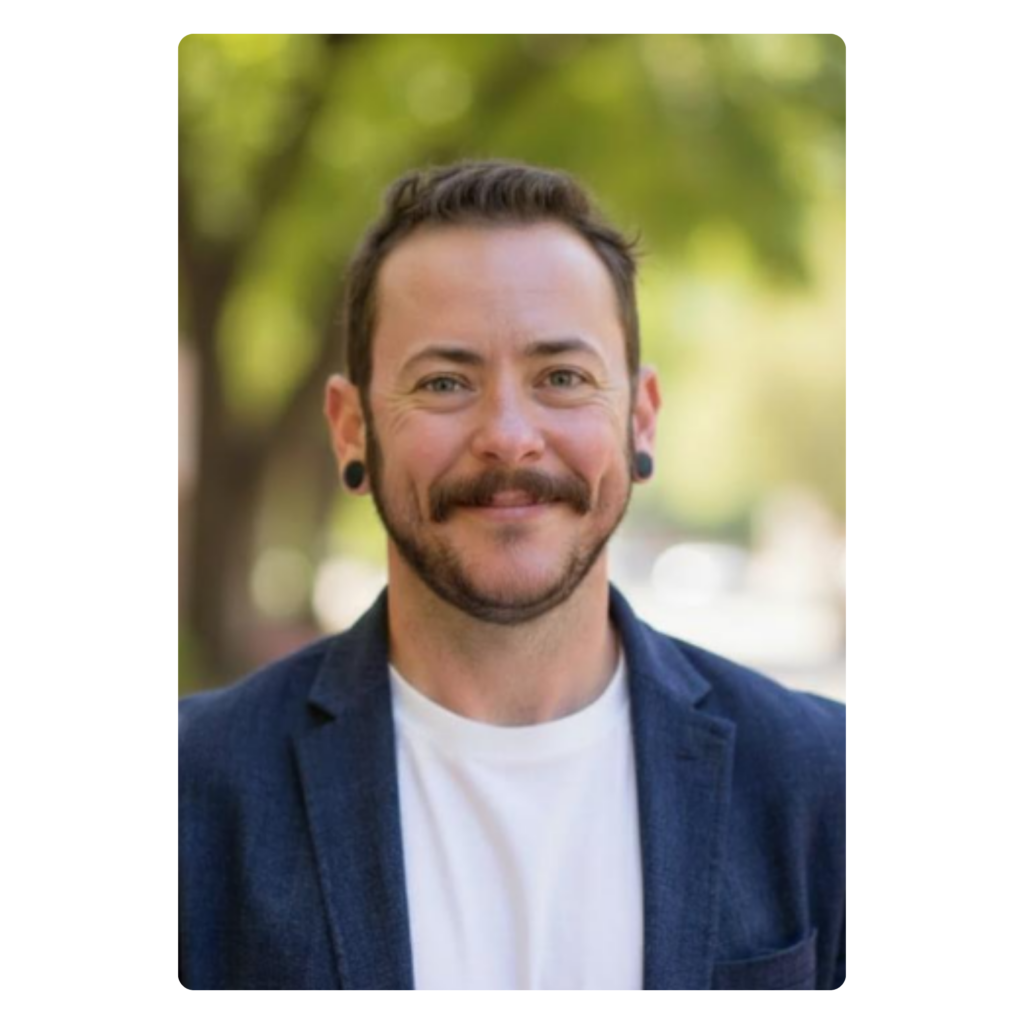
Eli Alston-Stepnitz, Ph.D. – Postdoctoral Researcher
Eli Alston-Stepnitz is a Postdoctoral Researcher on the MTRP team where his work focuses on decarbonization and electrification, in particular how new clean technologies interact with social systems, groups, and individuals. He is particularly interested in the ways different technologies intersect with access and equity, and the ways in which the tech, as well as the policies and programs created to support adoption, can be designed to enhance access and reduce disparities. Dr. Alston-Stepnitz has worked on several different projects related to electrification including ones focused on heat pumps, HVAC, air quality, solar PV, EVs, AFVs, and micromobility vehicles.
Prior to UC Davis, he worked as a researcher in the Health Equity Institute at San Francisco State University. Dr. Alston-Stepnitz holds both an M.A. and a Ph.D. in Sociology from the University of California, Davis.
Research Gate: https://www.researchgate.net/profile/Eli-Alston-Stepnitz
Email: ecalstonstepnitz@ucdavis.edu
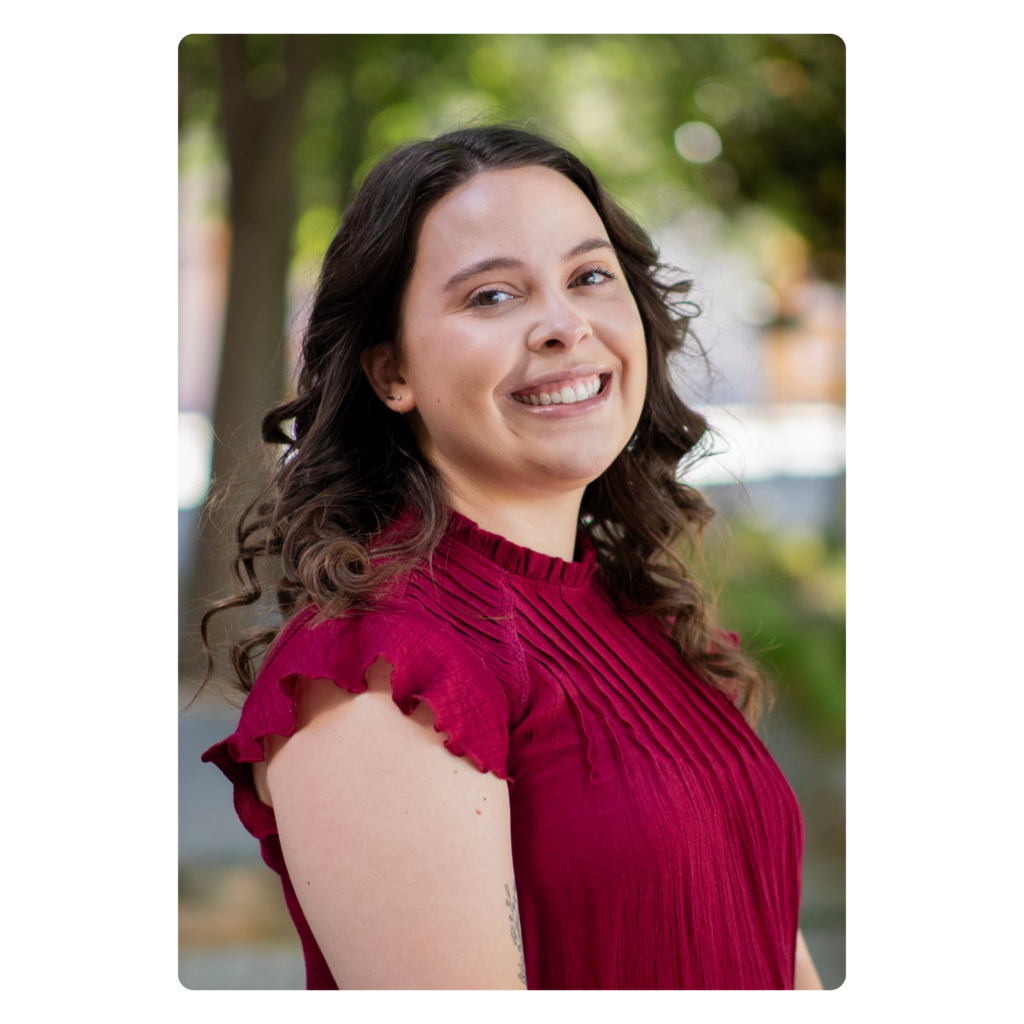
Emily Searl, P.h.D. – Postdoctoral Researcher
Dr. Searl holds both an M.A. and a Ph.D. in Sociology from the University of California, Davis.
Ellian Eorwyn, M.A.,M.S. – Graduate Student Researcher
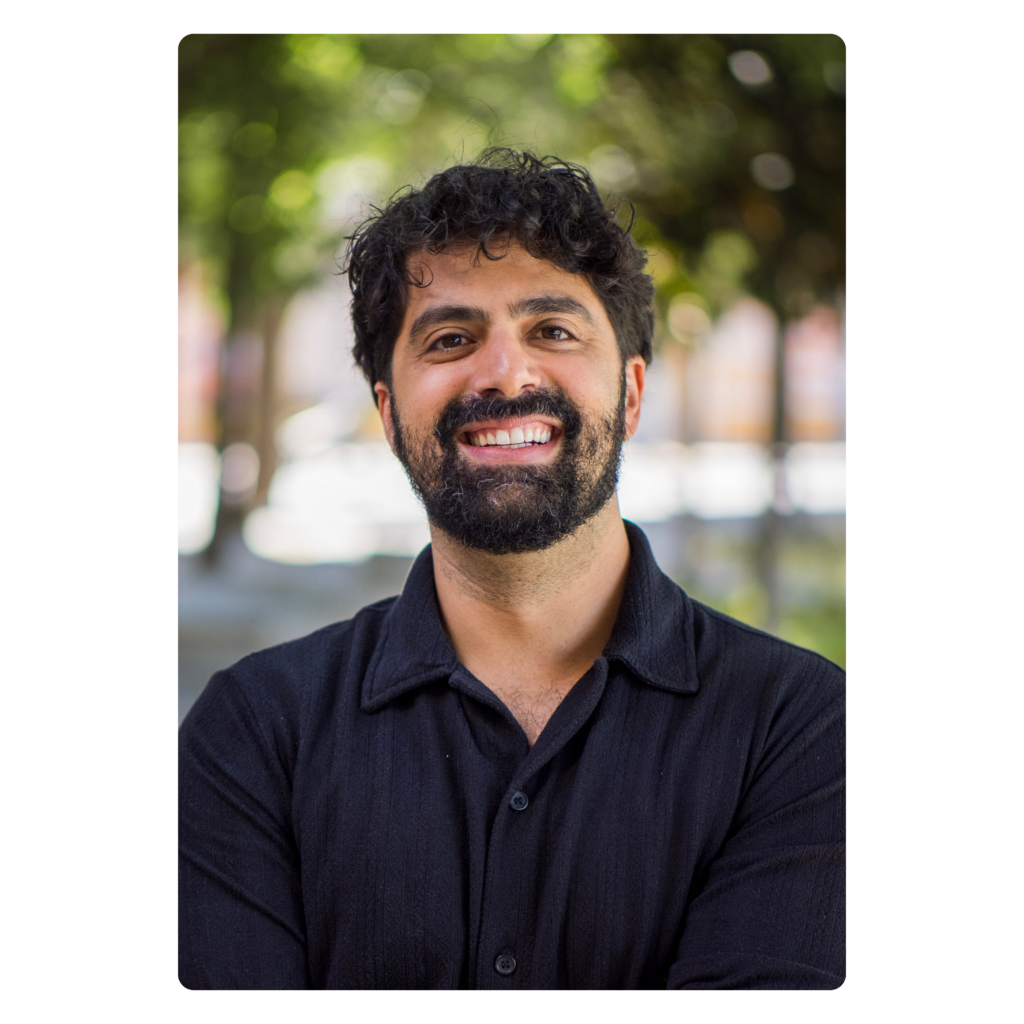
Shahar Zach, M.A. – Graduate Student Researcher
Shahar Zach is a Ph.D. candidate in Sociology department at the University of California, Davis. As a researcher with the MTRP team, his work focuses on developing data-driven methods to support energy program design, evaluation, and technology adoption. He works across a range of projects spanning load flexibility, heat pump adoption, and emerging energy systems, using statistical modeling, experimental design, and computational approaches—including applied AI architectures.
In parallel, his dissertation research uses network-based methods to study belief formation and polarization across social groups. His work examines how shared structures of belief emerge and evolve, even when groups differ in the strength and consistency with which those structures are held.
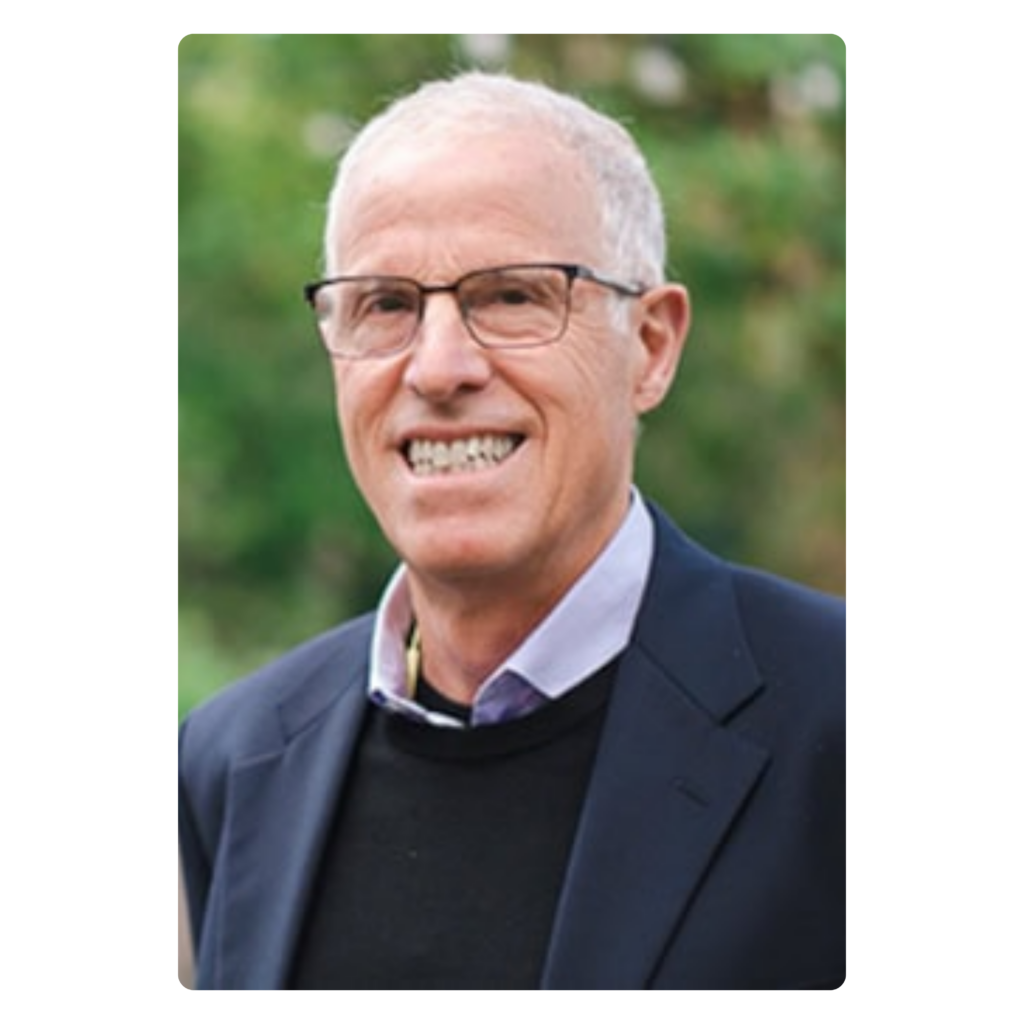
Alan Meier, Ph.D. – Senior Scientist
Alan Meier is a senior scientist at Lawrence Berkeley National Laboratory, Adjunct Professor at UC Davis in the Department of Environmental Science and Policy, and a faculty researcher at the UC Davis Energy and Efficiency Institute. Previous appointments include four years as a senior advisor at the International Energy Agency in Paris and as a postdoctoral fellow at Waseda University in Tokyo. His research focuses on understanding how people and equipment use energy and opportunities to reduce consumption. Meier’s research on “standby power use” in appliances—equal to 1% of global CO2 emissions—led him to propose an international plan to reduce standby power loss in all devices to less than 1 watt, which was endorsed by the G8 countries. He was Editor-in-Chief of the journal, Energy and Buildings, and the founder of the magazine, Home Energy. He is the author of many articles spanning technology, behavior, and policy, plus two two books, Supplying Energy through Greater Efficiency and Saving Electricity in a Hurry. Alan holds a Ph.D. in energy and resources from University of California, Berkeley.
Research Gate: https://www.researchgate.net/profile/Alan-Meier-2
Email: akmeier@ucdavis.edu