From air conditioners to electrical panels to data centers, engineers routinely specify equipment bigger than the job requires, to cover uncertainty, future growth, or plain caution.
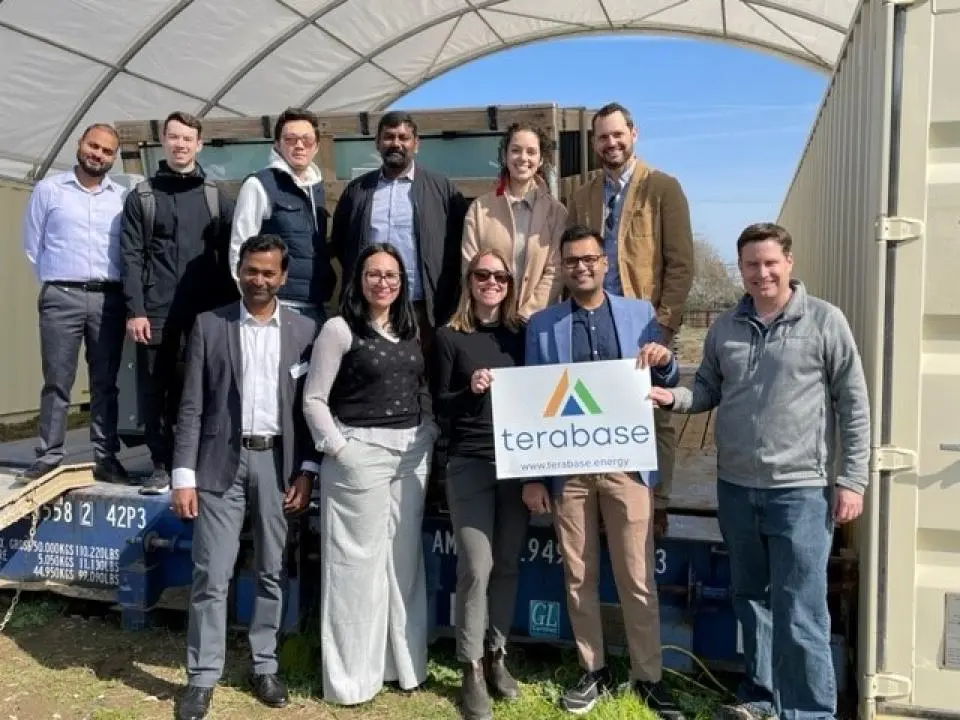
In the UC Davis Graduate School of Management’s Sustainable Energy Industry Immersion, Full-Time and Flex MBA students work with graduate students across disciplines to tackle real challenges posed by energy executives.
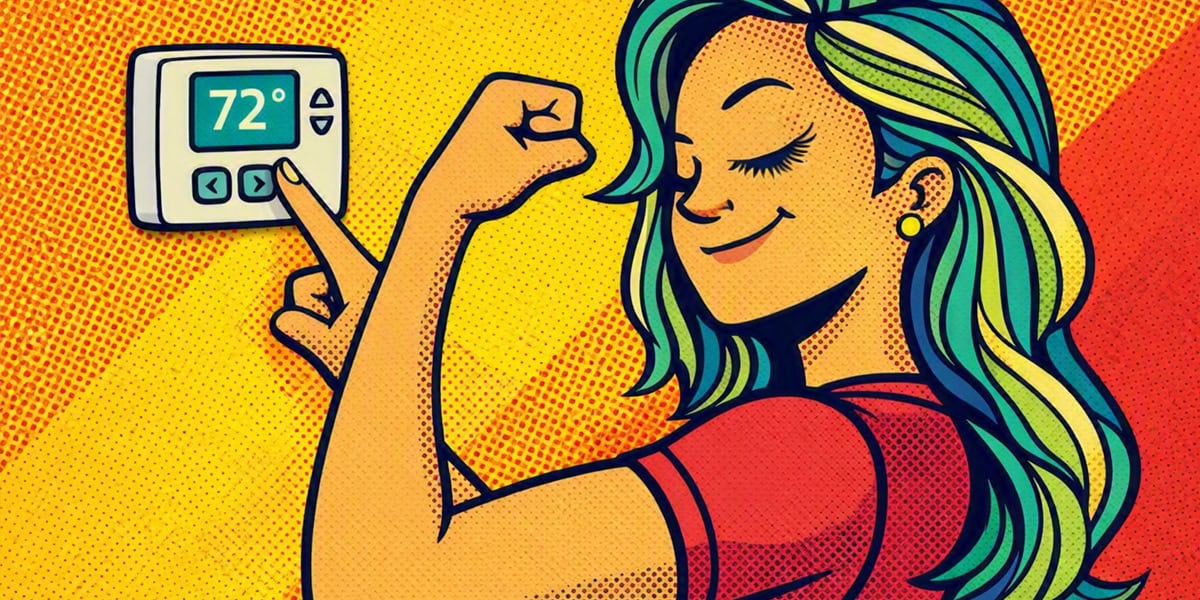
UC Davis researchers analyzed smart-thermostat data from more than 10,000 homes and found that air conditioning use kept climbing even at temperatures up to 110 °F, so today's AC systems aren't too small to keep up.
New research on heat pump water heaters was presented at the 2026 ACEEE Summer Study on Energy Efficiency in Buildings tested a smarter approach in real homes, and found it can meaningfully cut costs and emissions, but only where the equipment has room to work.
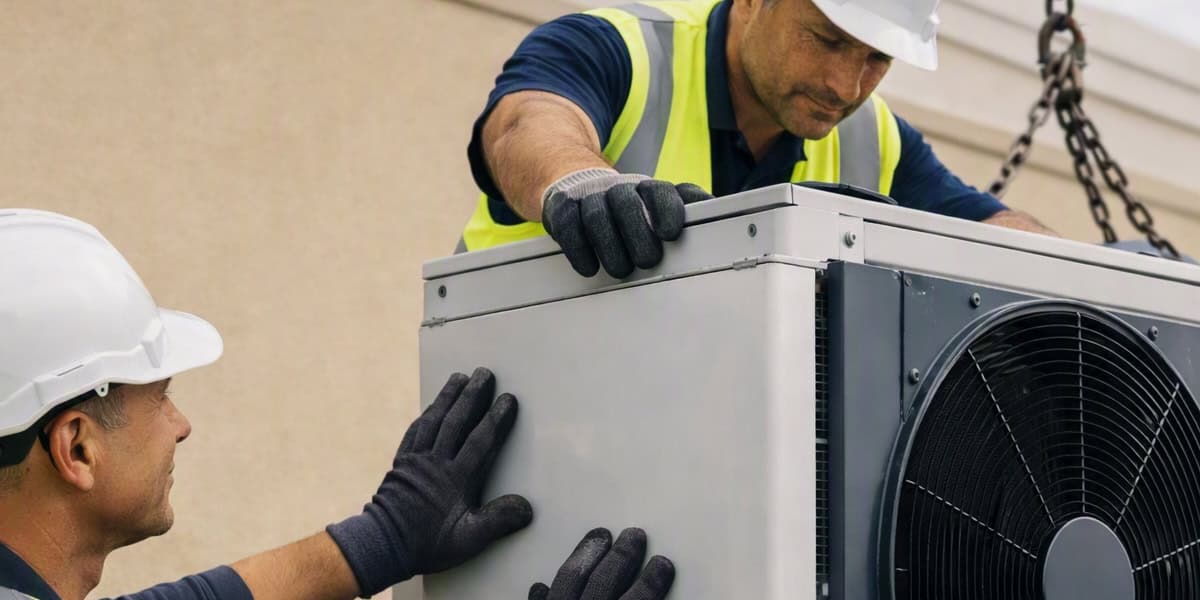
Space heating and cooling account for 41% of total commercial energy use nationwide, and in California, most of it still runs through gas-fired rooftop units. New research presented at the 2026 ACEEE Summer Study on Energy Efficiency in Buildings, based on two CalNEXT pilot incentive programs, finds that higher efficiency heat pump rooftop units, known as HP RTUs, are increasingly available on the market. The bigger obstacle to adoption is that current incentive levels don’t cover enough of the added cost.
Commercial customers in California lack support when purchasing advanced energy efficiency products and distributed energy resources. These decisions are complex and reliable product performance information, particularly for comparing specific products, can be difficult to find. Yet, these customers are crucial to advancing the state’s electrification and energy efficiency goals.
Virtual power plants and automated demand-response programs have increased across the U.S., though the industry still hasn’t figured out how to talk to the customers it needs to enroll.