Researchers from the Western Cooling Efficiency Center have published a new study evaluating a low-cost ventilation control strategy designed to reduce energy use and improve indoor air quality in school buildings.
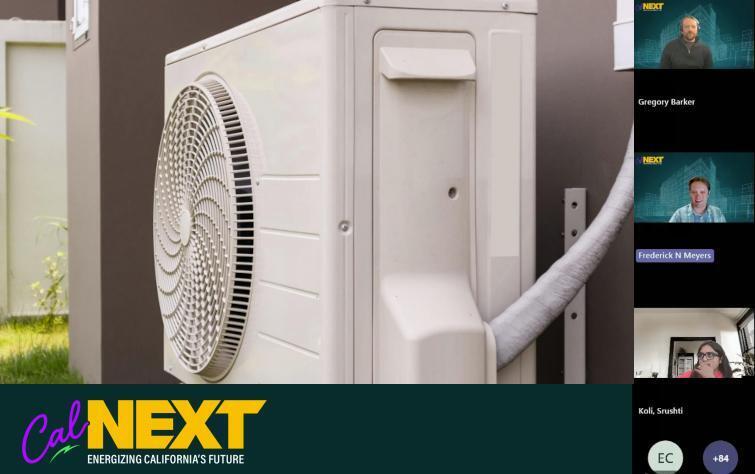
CalNEXT recently launched its Knowledge Sharing Webinar series with a residential energy technologies event featuring three projects led by UC Davis researchers.
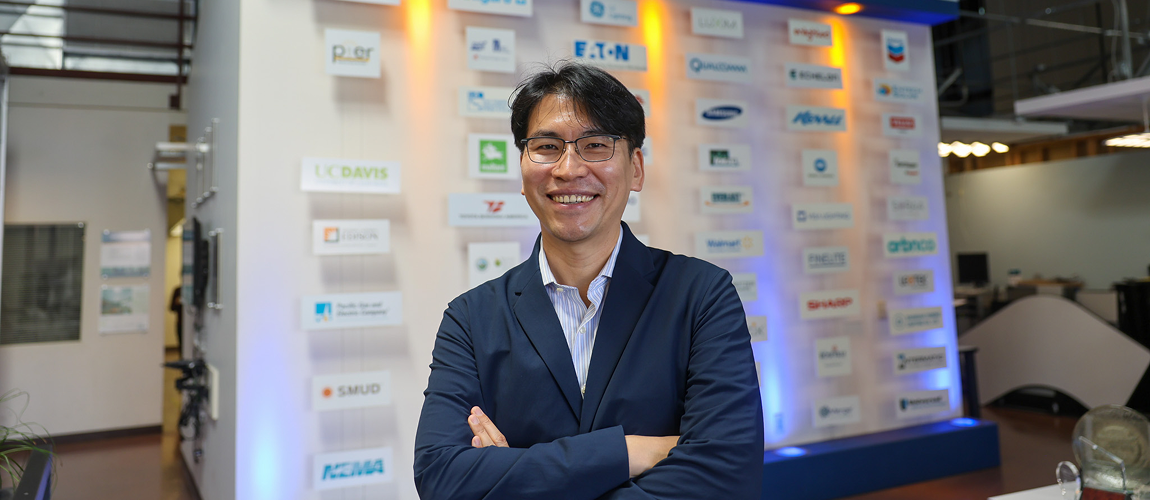
Jae Yong Suk, professor of design and director of the California Lighting Technology Center, has been named the Arthur H. Rosenfeld Chair in Energy Efficiency at UC Davis.
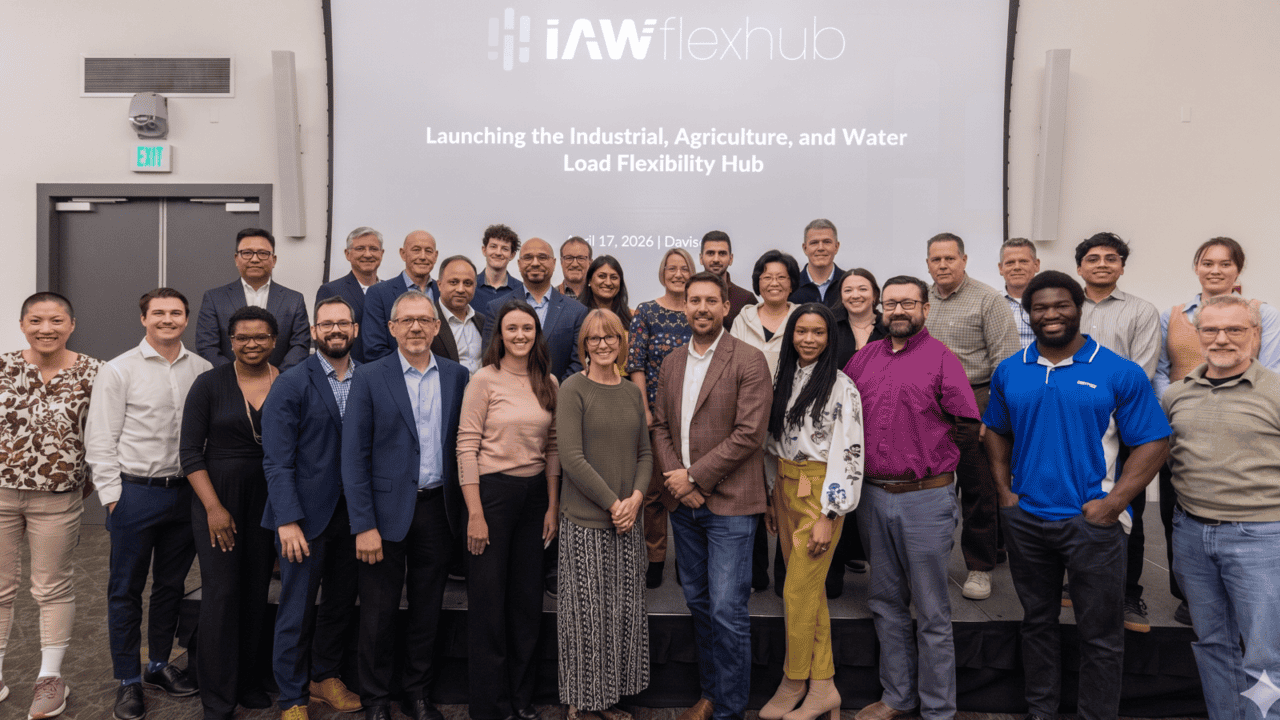
The Industrial, Agriculture, and Water Load Flexibility Hub (IAW FlexHub) was formally launched on April 17 at the UC Davis Conference Center, bringing together stakeholders from across industry, utilities, research, and policy to mark the start of a new statewide effort focused on demand flexibility.
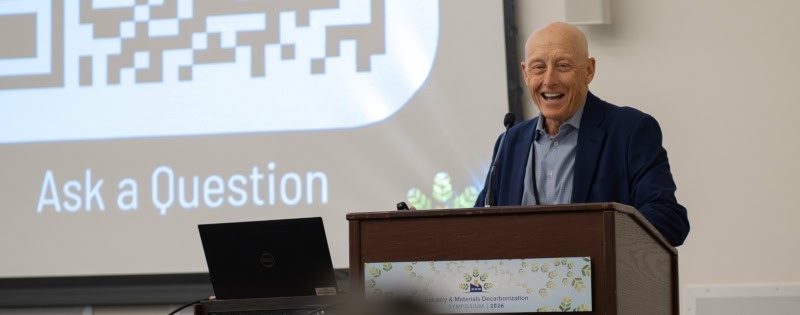
The UC Davis Industry & Materials Decarbonization Symposium brought together more than 200 leaders from industry, government, utilities, and academia for a full day of discussion on the challenges and opportunities associated with reducing emissions from industrial systems and materials production.
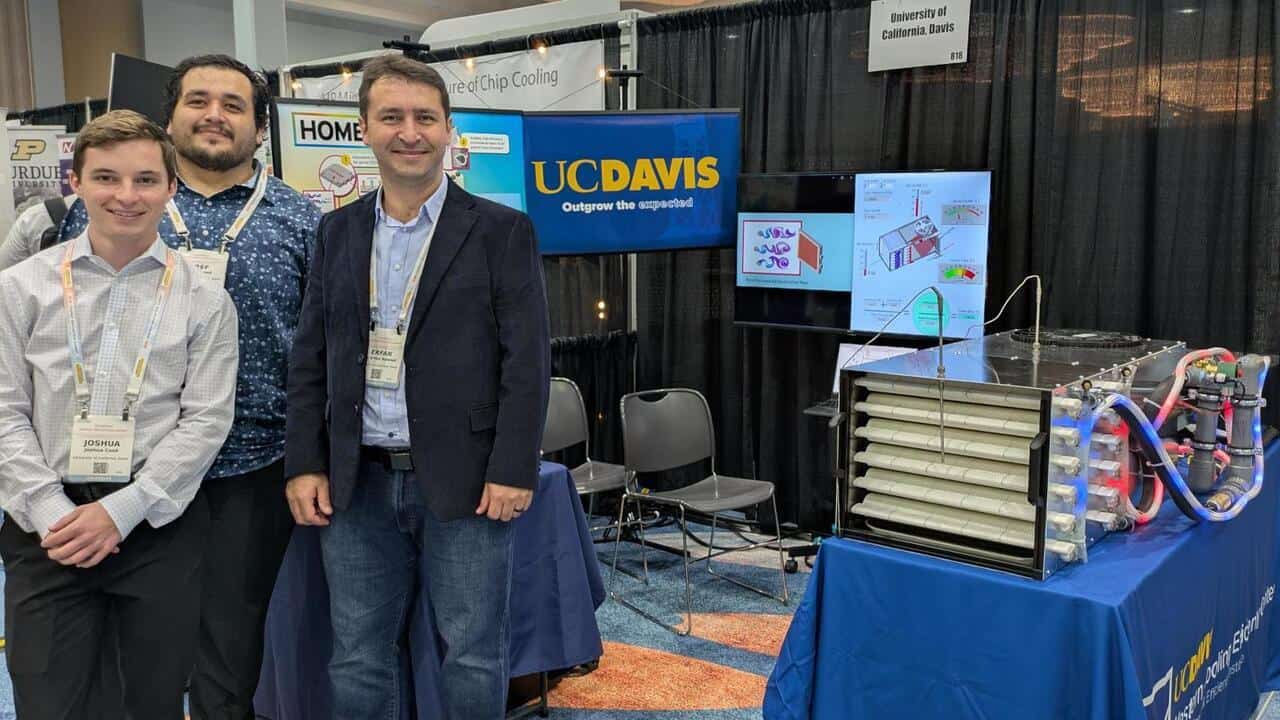
Researchers from the Western Cooling Efficiency Center traveled to San Diego to participate in the ARPA-E Energy Innovation Summit, where they presented a modular, high-efficiency approach to data center design and cooling.
The UC Pavement Research Center will host its Lab2Slab Field Day and Open House on April 23 at UC Davis as part of the 2026 California Concrete Pavement Conference.
The IAW FlexHub will serve as a centralized platform for demonstration projects, technical collaboration, market development, and stakeholder engagement, developed by Momentum in partnership with UC Davis, EPRI, Lawrence Berkeley National Laboratory (LBNL), and other cutting-edge research partners.