News

Modern residential building with energy-efficient features and solar panels.
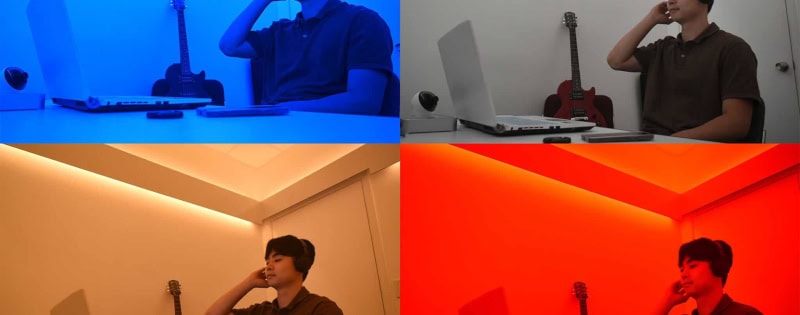
A new CLTC study demonstrates that integrating building systems under a centralized Building Automation System (BAS) can significantly reduce energy use. A team led by CLTC Director of Engineering Keith Graeber conducted field research at “The Barn,” a two-story, 2,068-square-foot building on the UC Davis campus.
Woman speaking about indoor air quality and health challenges in a podcast interview.
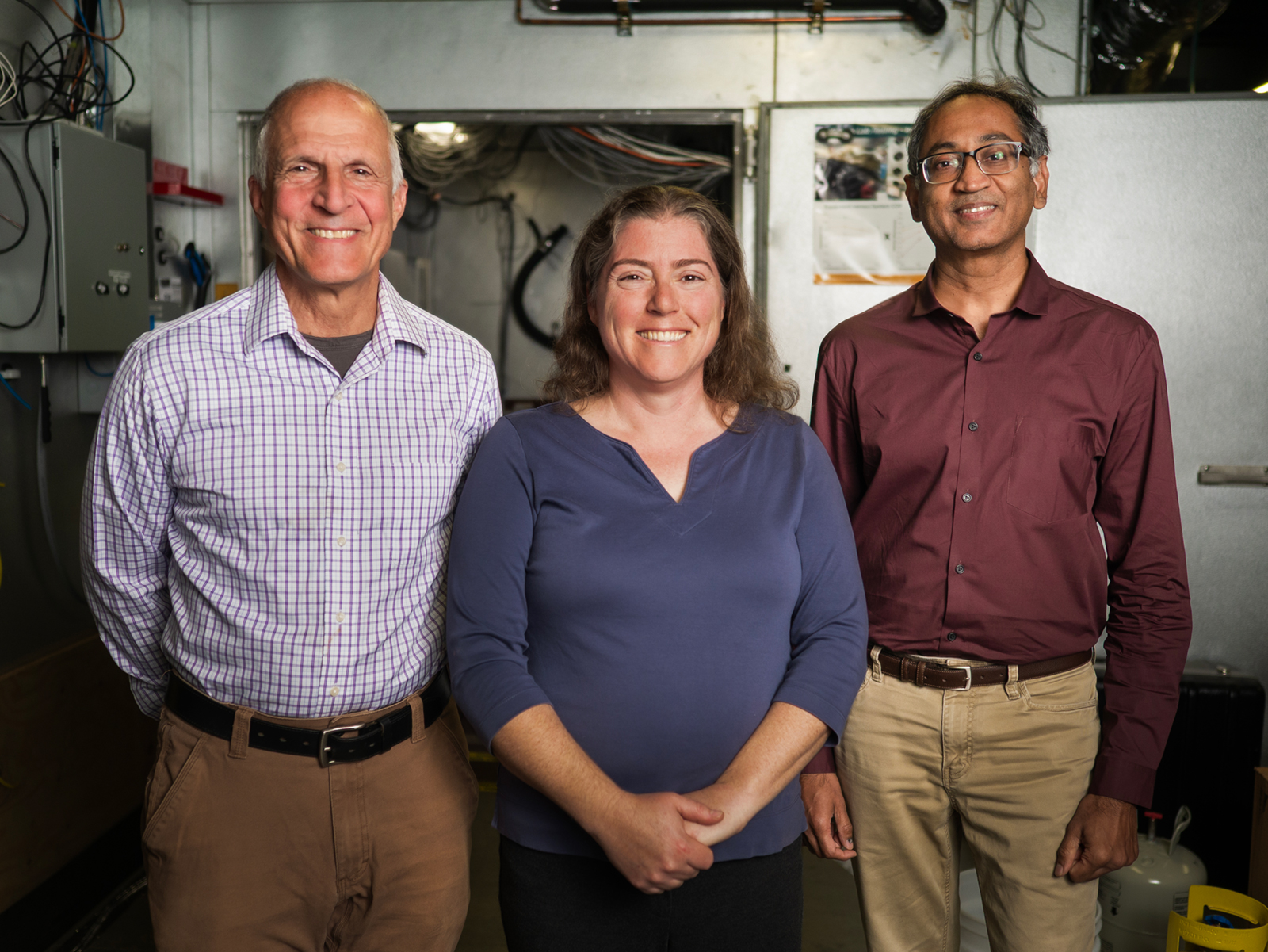
Indoor air quality has a direct impact on health, influencing everything from respiratory health to disease transmission. WCEC Co-Director of Engineering Theresa Pistochini is leading efforts to develop smarter HVAC systems that improve air quality in schools.
Man holding a hat outdoors at UC Davis Energy Efficiency Institute.
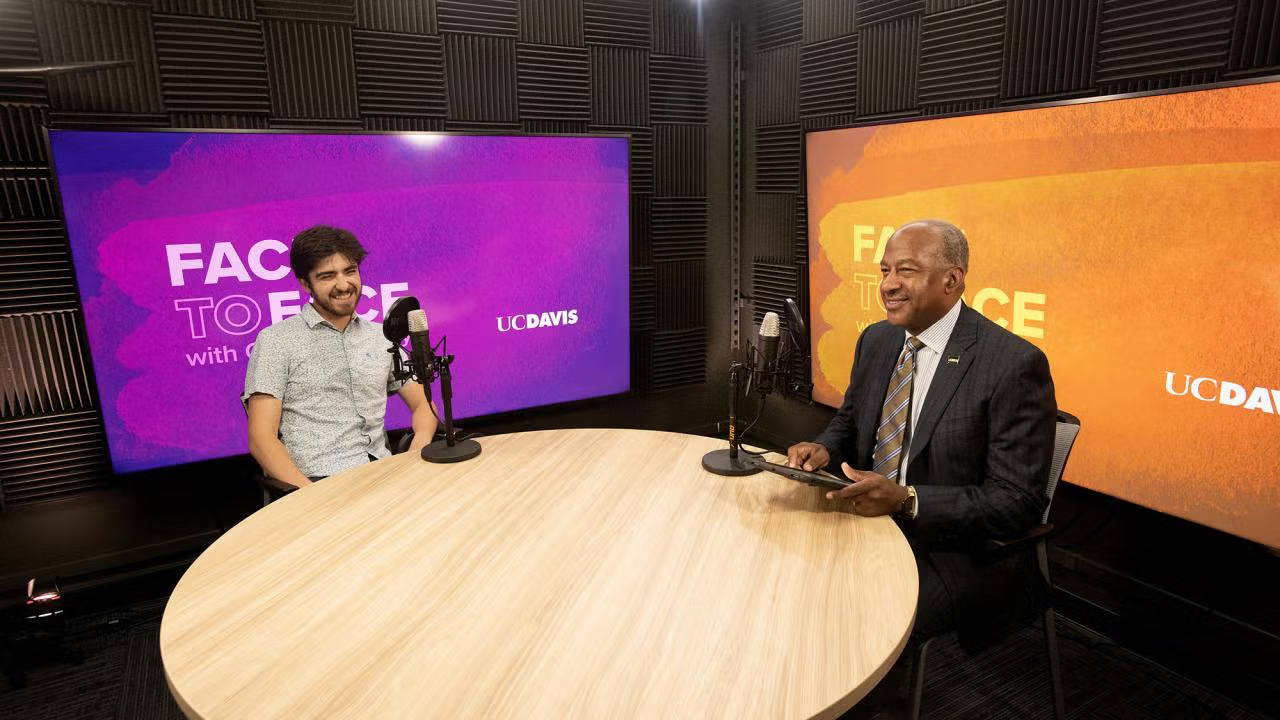
The latest episode of the UC Davis podcast Unfold dives into one of the biggest obstacles to EV adoption: unreliable public charging. While range anxiety is no longer a top concern, drivers now struggle to find chargers that actually work.
UC Davis Energy Efficiency Institute speaker presenting to audience.
As industries look to lower costs and stay competitive, improving energy efficiency is more important than ever. EEI Faculty Director Kelly Kissock and his team will present a free, three-part webinar series focused on practical strategies to reduce energy waste and improve operational efficiency in industrial facilities.
Researcher examining solar panel shading effects in a greenhouse setting.
A new study from the UC Davis Wild Energy Center examines how solar installations influence microclimates and plant growth on former agricultural land. Researchers spent a year collecting data at the UC Davis “Solar Farm,” a 16-megawatt ground-mounted solar power plant owned by university and located immediately south of campus.
Building with carbon storage capabilities for climate impact.
Research conducted by the U.S. Department of Energy's Office of Energy Efficiency and Renewable Energy, the Center for Energy and Environment, and the UC Davis Western Cooling Efficiency Center delves into the benefits of aerosol envelope sealing techniques for existing residential buildings.
Solar panels installed over wildflowers and native plants.
Research conducted by the U.S. Department of Energy's Office of Energy Efficiency and Renewable Energy, the Center for Energy and Environment, and the UC Davis Western Cooling Efficiency Center delves into the benefits of aerosol envelope sealing techniques for existing residential buildings.