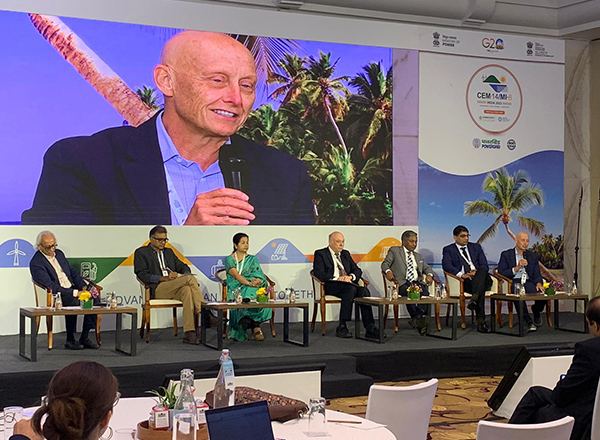
EEI Faculty Director, Kelly Kissock, participated in a global conference of clean energy leaders in Goa, India. Kelly presented at a panel on international cooperation for a resilient and decarbonized building sector, in which he shared insights on California's net-zero energy Title 24 building energy-efficiency code.
The Energy and Efficiency Institute at the University of California, Davis, is seeking one post-doc to lead research in the area of low-carbon materials. The post-doc will participate in, lead, and develop new research projects in designing sustainable materials with an emphasis on assessing environmental burdens and integrating environmental impact assessment methods with material performance.
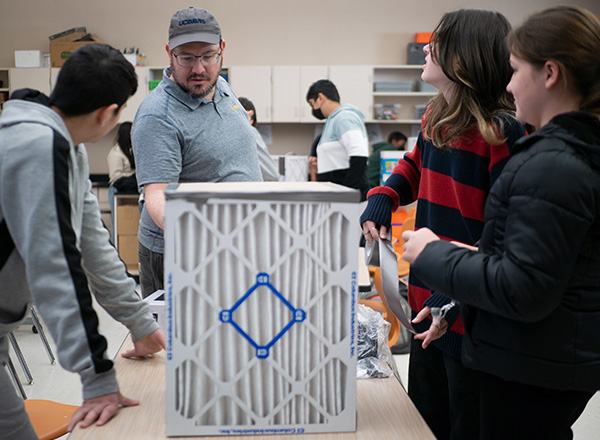
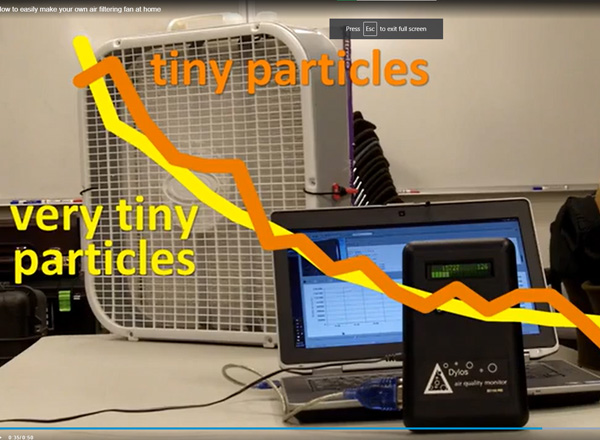
New laws and funding push ventilation to boost air quality and slow spread of COVID-19. But experts cite too many loopholes and not enough consistency.
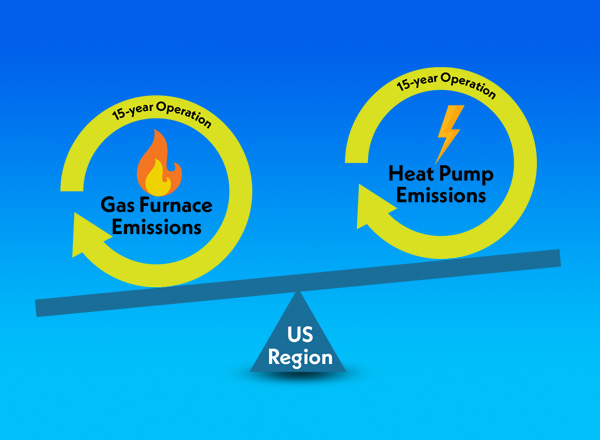
Western Cooling Efficiency Center research featured in an article published by the Energy Institute at Haas. Replacing your home HVAC system with a new heat pump reduces carbon emissions significantly. But when should you make the change?
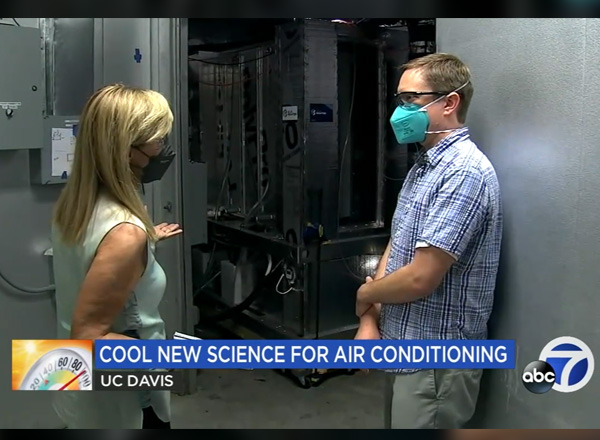
The Western Cooling Efficiency Center at UC Davis is trying to develop new air technology that addresses problems with the grid and the challenges of climate change using our current AC systems.
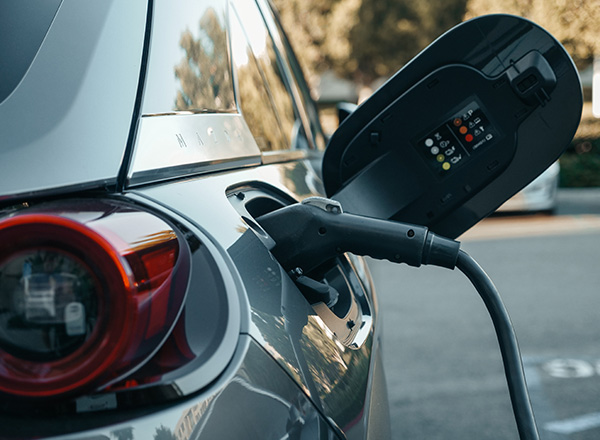
Despite EVs’ considerable environmental benefits, it will be imperative to “green” the material sourcing process to ensure a more sustainable and ethical supply chain as the world transitions to an electrified transportation system.