
UC Davis Energy News: September 2026
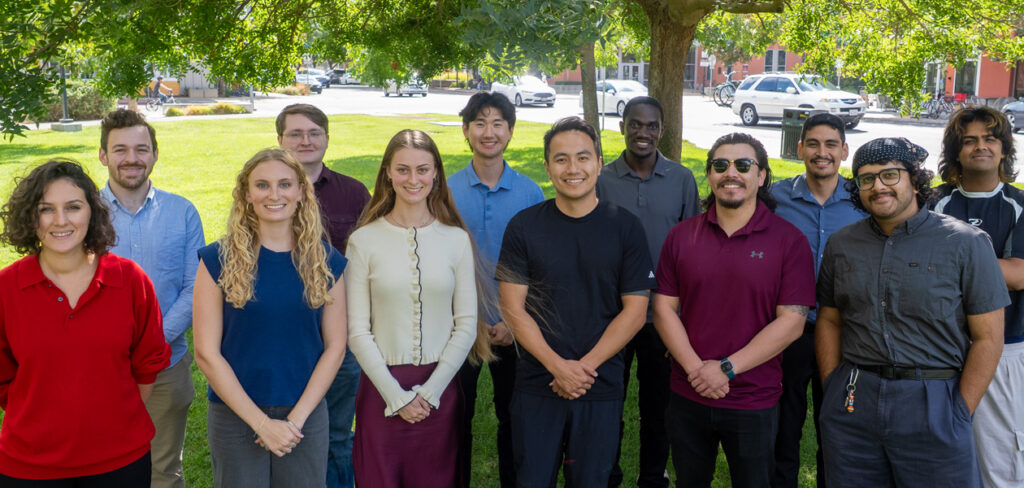
Welcome our new EGG students, 4 new research papers, and more!
Smart Controls Cut Peak Water Heating Costs for Low-Income Households, but Only When the Closet Has Room to Breathe

New research on heat pump water heaters was presented at the 2026 ACEEE Summer Study on Energy Efficiency in Buildings tested a smarter approach in real homes, and found it can meaningfully cut costs and emissions, but only where the equipment has room to work.
California Pilot Finds Cost, Not Product Availability, Is Still the Main Barrier to High-Efficiency Commercial Heat Pumps
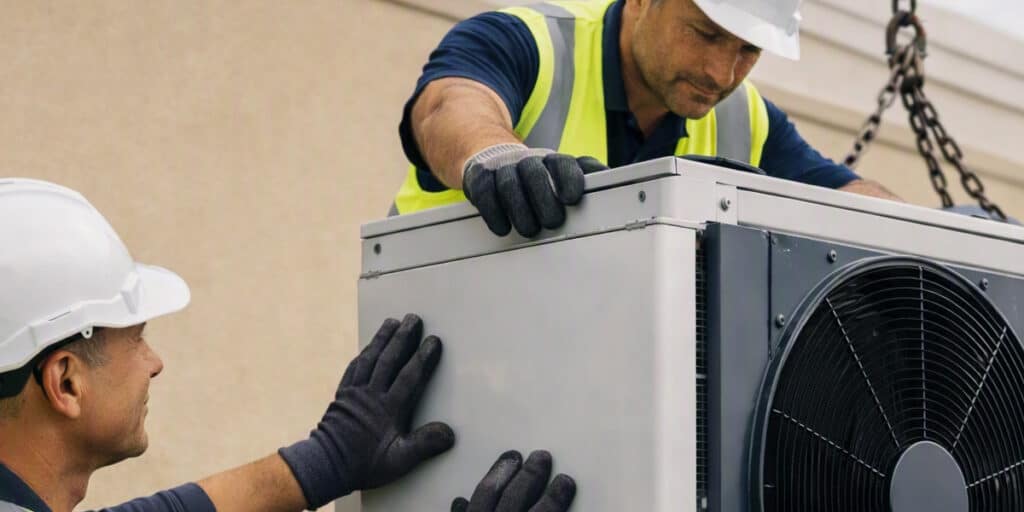
Space heating and cooling account for 41% of total commercial energy use nationwide, and in California, most of it still runs through gas-fired rooftop units. New research presented at the 2026 ACEEE Summer Study on Energy Efficiency in Buildings, based on two CalNEXT pilot incentive programs, finds that higher efficiency heat pump rooftop units, known as HP RTUs, are increasingly available on the market. The bigger obstacle to adoption is that current incentive levels don’t cover enough of the added cost.
California Dreamin’: Our Climate, Energy, and Transportation Policies

Friday, Sept. 18, 2026 | King Hall, Room 1001 | 9 a.m. – 4:45 p.m. | MCLE Credits Available | No Registration Fee | Livestreamed UC Davis School of Law is hosting an event to discuss climate, energy, transportation strategies and the regulatory and legal challenges to our decarbonization progress. Learn More
UC Davis Energy Systems: Powering a Sustainable Campus
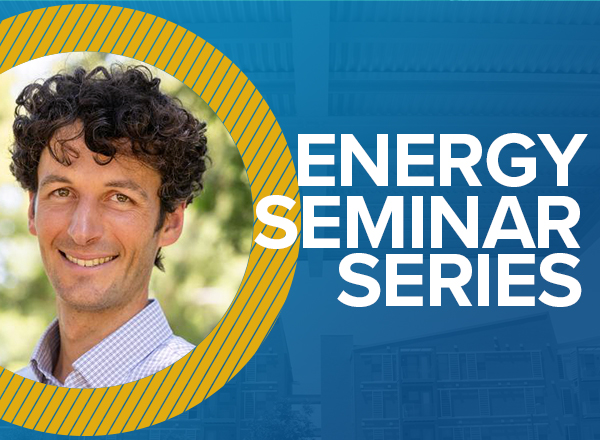
10/02/2026 // 10:30am PDT Join Meeting Have you ever wondered how our buildings are heated and cooled? Did you know our campus has managed to grow in size while shrinking its energy use? Do you wonder how campus plans to slash its carbon emissions? Nico Fauchier-Magnan works in UCD Facilities Management : Energy Engineering and […]
Factors Influencing Recent Trends in Retail Electricity Prices in the United States
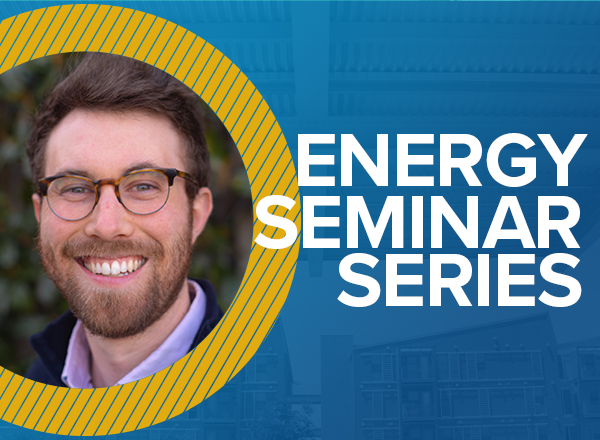
U.S. retail electricity prices have largely tracked inflation in recent years, yet significant regional variations have left a few states facing steep price increases. Simultaneously, the power sector is undergoing a rapid transformation driven by wind and solar energy integration, extreme weather risks to and from grid infrastructure, and the return of load growth – […]
WCEC Engineer Named One of ACEEE’s 2026 Champions of Energy Efficient Buildings

UC Davis Western Cooling Efficiency Center engineers and researchers attended the ACEEE Summer Study on Energy Efficiency in Buildings this month. WCEC contributed to five papers presented at the conference. We would like to also congratulate Subhrajit Chakraborty who was named one of ACEEE’s 2026 Champions of Energy Efficient Buildings on behalf of his work […]
Free Tool Brings Consumer Reports-Style Testing to Commercial Energy Efficiency Products

Commercial customers in California lack support when purchasing advanced energy efficiency products and distributed energy resources. These decisions are complex and reliable product performance information, particularly for comparing specific products, can be difficult to find. Yet, these customers are crucial to advancing the state’s electrification and energy efficiency goals.
Flex Appeal: Emerging Best Practices for Communications to Recruit Households into Load Flexibility Programs

Virtual power plants and automated demand-response programs have increased across the U.S., though the industry still hasn’t figured out how to talk to the customers it needs to enroll.
Stakeholders Agree California’s Grid Flexibility Technology Is Ready. State Rules and Guidance Needs More Work.

Across the board, participants said the devices and systems needed to shift electricity use in response to grid conditions already exist or are close to ready. What’s missing is clarity on how rates will be structured, what technical standards devices must meet, and whether state agencies have the political will and staffing to enforce any of it.