
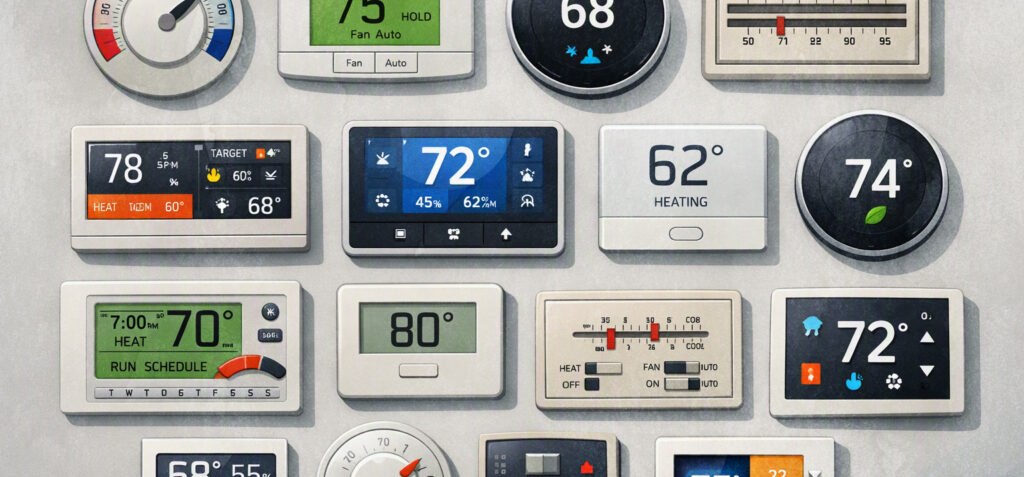
Smart thermostats are a key tool for easing strain on the grid, but most demand-response programs treat every household as if it behaves the same way. Researchers from UC Berkeley, UC Davis, and Stanford analyzed nine years of thermostat data from 1,263 California households and sorted them into five behavioral types. Most homes (63%) are “Passive Defaults” who never change the factory settings. About 30% are “Active Customizers” who build their own schedules. The names people give their schedules (“Work,” “Peak Hours,” “Vacation”) turned out to predict their temperature settings and HVAC use, which gives utilities a new way to design programs that fit how people actually live.